Why Rent a Car in Crete?
Crete, the largest and most diverse Greek island, demands the freedom of your own wheels. Stretching 260 kilometers from east to west, this Mediterranean jewel offers everything from ancient Minoan palaces and pristine beaches to rugged mountain gorges and traditional mountain villages. A car rental in Crete transforms your holiday from a beach resort stay into an epic exploration of one of Europe's most fascinating destinations.
Public transportation in Crete operates mainly along the northern coastal highway connecting Chania, Rethymno, and Heraklion. While buses link major towns reliably, reaching Crete's hidden gems—the pink sands of Elafonisi, the dramatic Samaria Gorge, remote monasteries, and authentic mountain hamlets—requires private transport. Car hire gives you the flexibility to discover secluded coves, arrive at archaeological sites before tour buses, and experience authentic Cretan life in villages where hospitality remains unchanged for generations.
The island's road network has improved dramatically, with well-maintained highways along the north coast and increasingly better roads penetrating the interior. Distances can be deceptive—traveling from Chania to Heraklion takes about 2.5 hours despite being just 145 kilometers, as the scenic route winds through mountains and coastal curves. Renting a car lets you set your own pace, stop at roadside tavernas serving local specialties, and adjust your itinerary based on weather, mood, or local recommendations.
Crete Car Rental Locations
Glocal Greece connects you with trusted car hire providers across all major Crete destinations. Most travelers collect vehicles at Heraklion Airport (Nikos Kazantzakis International) or Chania Airport (Ioannis Daskalogiannis International), which serve the majority of international flights. These airports host numerous rental desks, allowing immediate vehicle collection upon arrival.
Downtown offices in Heraklion, Chania, Rethymno, and Agios Nikolaos offer convenient alternatives if you're arriving by ferry or spending initial days in city centers. Many providers deliver vehicles directly to hotels, especially in popular resort areas like Hersonissos, Malia, Elounda, and Plakias. This flexibility lets you design your perfect itinerary—perhaps exploring western Crete first from Chania, then collecting another vehicle in Heraklion to discover the east, or vice versa.
One-way rentals between Crete's two main airports have become increasingly common and affordable, eliminating backtracking. This proves invaluable for travelers flying into one airport and departing from another, maximizing exploration time. Port offices in Heraklion and Chania serve ferry passengers from Athens, Santorini, and other Cycladic islands. Our booking platform displays all available pickup locations with transparent pricing, letting you compare options and choose what suits your travel plans best.
Best Time for Car Rental in Crete
Crete's extended tourist season runs from April through October, with each period offering distinct advantages for car travelers. Spring (April-May) brings wildflowers carpeting hillsides, comfortable temperatures for hiking, and manageable tourist numbers. Roads to mountain villages and gorges remain accessible as winter snow melts. Car rental rates stay moderate, and booking a week ahead typically suffices.
Summer (June-August) represents peak season when advance booking becomes essential, especially for air-conditioned vehicles and specific categories. Temperatures soar, making early morning and evening drives more pleasant. Coastal roads buzz with activity, while mountain routes offer cooler relief. July-August commands premium rates, particularly around Orthodox Easter when Greek families vacation domestically. Despite heat and crowds, summer reveals Crete at its most vibrant—beach clubs operating, traditional festivals celebrating village saints, and all attractions maintaining full hours.
Autumn (September-October) delivers many travelers' favorite conditions—warm seas, fewer crowds, grape harvest season, and that golden Mediterranean light photographers crave. Roads become pleasantly quiet, parking easier, and rental rates drop significantly after mid-September. Cretans return to their normal rhythms, tavernas focus on quality over volume, and you'll experience more authentic interactions. November through March sees dramatic rate reductions and minimal advance booking requirements, though mountain roads may close temporarily after storms, and some coastal businesses shutter until spring.
Driving in Crete - Essential Tips
Cretan driving differs from northern European norms, combining Mediterranean spontaneity with genuine courtesy once you understand local customs. The main north coastal highway (New National Road) offers modern, well-maintained dual carriageway between major cities. However, older roads—particularly through mountains and to southern coast destinations—feature narrow passages, hairpin turns, and occasional challenging surfaces requiring defensive driving and appropriate vehicle selection.
Speed limits theoretically match mainland Greece: 130 km/h on highways, 90 km/h on main roads, 50 km/h in towns. Reality involves flexible interpretation—Cretans drive confidently but generally courteously. If vehicles accumulate behind you on winding roads, use the shoulder to let faster traffic pass; locals appreciate this courtesy and will flash hazards in thanks. Mountain villages often feature streets barely wider than your car, with stone walls on both sides and occasional livestock. Patience and a sense of adventure prove essential.
Parking in major towns requires persistence, especially midday when everyone's running errands. Blue-marked spaces require payment via machines (accept coins, sometimes cards), white zones are free, yellow lines mark no-parking areas. Archaeological sites, beaches, and monasteries typically provide free parking, though popular beaches fill rapidly in July-August. GPS proves invaluable, though verify routes make sense—technology occasionally suggests "roads" that are actually goat paths. Paper maps serve as reliable backup in areas with spotty coverage.
What to See with Your Crete Rental Car
Crete's extraordinary diversity rewards mobile travelers willing to venture beyond resort zones. Ancient Knossos, Europe's oldest city, lies just five kilometers south of Heraklion—arrive early to beat tour buses through the partially reconstructed Minoan palace. The archaeological museum in Heraklion houses the world's finest Minoan collection, essential context for understanding the island's Bronze Age brilliance. Phaistos and Gortyna in the south, Malia on the north coast, and dozens of smaller sites scattered across the island reveal layers of Minoan, Greek, Roman, Byzantine, Venetian, and Ottoman civilizations.
Natural wonders demand your rental car's capabilities. The Samaria Gorge, Europe's longest, requires hiking boots and stamina for the 16-kilometer descent, but your vehicle gets you to the starting point at Omalos plateau and waits in Agia Roumeli or enables the ferry-bus return loop. Elafonisi's pink sand beaches, Balos Lagoon's turquoise waters, and Vai's palm forest beach each sit at road-trip distances requiring 1-2 hours from nearest major towns. Countless unnamed coves dot both coasts, accessible via dirt tracks your vehicle's clearance may determine—request SUV or 4WD for ambitious beach hunting.
Mountain villages preserve authentic Cretan culture seemingly untouched by coastal tourism. Anogeia, rebuilt after Nazi destruction, maintains fierce independence and musical traditions. Zaros offers lakeside tavernas and springwater. Kritsa features Byzantine church frescoes and weaving workshops. Archanes produces distinguished wines worth tasting at source. Each valley and plateau reveals different architectural styles, dialects, and culinary specialties. Driving inland, whether via the Lasithi Plateau with its windmills or the Amari Valley with its cherry orchards, provides profound contrast to beach resorts and genuine encounters with Cretan hospitality.
Cheap Car Rental Crete - Smart Booking
Securing affordable Crete car hire requires understanding seasonal dynamics and comparison shopping across providers. Our platform aggregates rates from established international chains and trusted local operators, often revealing price differences exceeding 50% for identical vehicle categories and dates. Local companies frequently undercut multinationals while maintaining quality fleets and service standards—Crete's competitive market benefits savvy travelers.
Book 2-3 months ahead for July-August travel, locking reasonable rates before peak demand inflates prices. Shoulder seasons (May-June, September-October) allow 2-4 weeks advance booking, while winter often permits last-minute deals. Choose your vehicle category realistically—small cars like Fiat Pandas or Toyota Aygo navigate narrow streets easily and sip fuel, ideal for coastal exploration and town parking. Upgrading to larger sedans or SUVs makes sense for mountain routes, off-pavement beach access, or groups with luggage.
Scrutinize insurance options carefully. Basic coverage included in most rentals leaves you liable for vehicle damage up to high excess amounts (often €800-1,500). Full coverage eliminating excess costs extra but provides peace of mind, especially on unfamiliar narrow roads. Credit card policies sometimes cover rental car excess, but verify Crete inclusion and necessary conditions. Fuel policies matter—full-to-full proves fairest, requiring you return the tank at the same level received. Avoid pre-purchase fuel options, which rarely deliver value.
Airport Car Hire - Heraklion & Chania
Heraklion Airport Nikos Kazantzakis (HER) handles the majority of Crete's international traffic, serving major European cities with frequent connections. Car rental desks cluster in the arrivals hall, representing both international brands and local operators. Collection procedures run efficiently during normal hours, though late-night arrivals may involve meeting staff outside if your desk closes. Most companies provide 24-hour emergency numbers for delayed flights—notify them if landing past midnight.
Chania Airport Ioannis Daskalogiannis (CHQ) offers a more intimate experience, serving primarily summer charters and limited year-round scheduled flights. Fewer rental desks mean less choice but faster processing. The airport sits 14 kilometers from Chania town, making immediate vehicle collection practical for those heading directly to western Crete destinations. Both airports provide free short-term parking for rental returns, with clear signage guiding you to company return areas.
Vehicle collection involves standard procedures: present your booking confirmation, driving license valid minimum one year (often three years for drivers under 23), passport, and credit card in the main driver's name for deposit hold. Inspect the vehicle carefully, photographing existing damage and ensuring everything appears on the condition report. Verify fuel level, confirm return procedures, get emergency contacts, and request recommendations for first-day driving. Quality operators provide brief orientation covering Greek road rules, local quirks, and suggested routes. Don't rush this process—fifteen minutes now prevents disputes later.
Why Book Crete Car Rental Through Glocal Greece?
Glocal Greece eliminates the complexity of comparing dozens of car hire providers across multiple platforms. Our carefully curated network includes only licensed, insured operators with proven track records in Crete's competitive market. We negotiate rates directly with both international chains and reputable local companies, passing savings to you while maintaining service quality standards.
Transparent pricing means the rate you see includes mandatory fees, taxes, and specified insurance level—no checkout surprises. Our comparison tool displays vehicles by category with clear specifications: passenger capacity, luggage space, fuel type, transmission type, and air conditioning status. Filters let you prioritize what matters most—lowest price, specific pickup location, full insurance inclusion, or vehicle features like GPS or child seats.
Customer support operates throughout your rental period. Questions about pickup procedures, route planning, vehicle issues, or return logistics reach English-speaking staff familiar with both Crete's particularities and traveler concerns. We serve as your advocate if disputes arise, though our provider vetting minimizes such occurrences. Reviews from fellow travelers inform your choice, and your feedback helps future visitors make informed decisions.
Crete Rent a Car - Regional Highlights
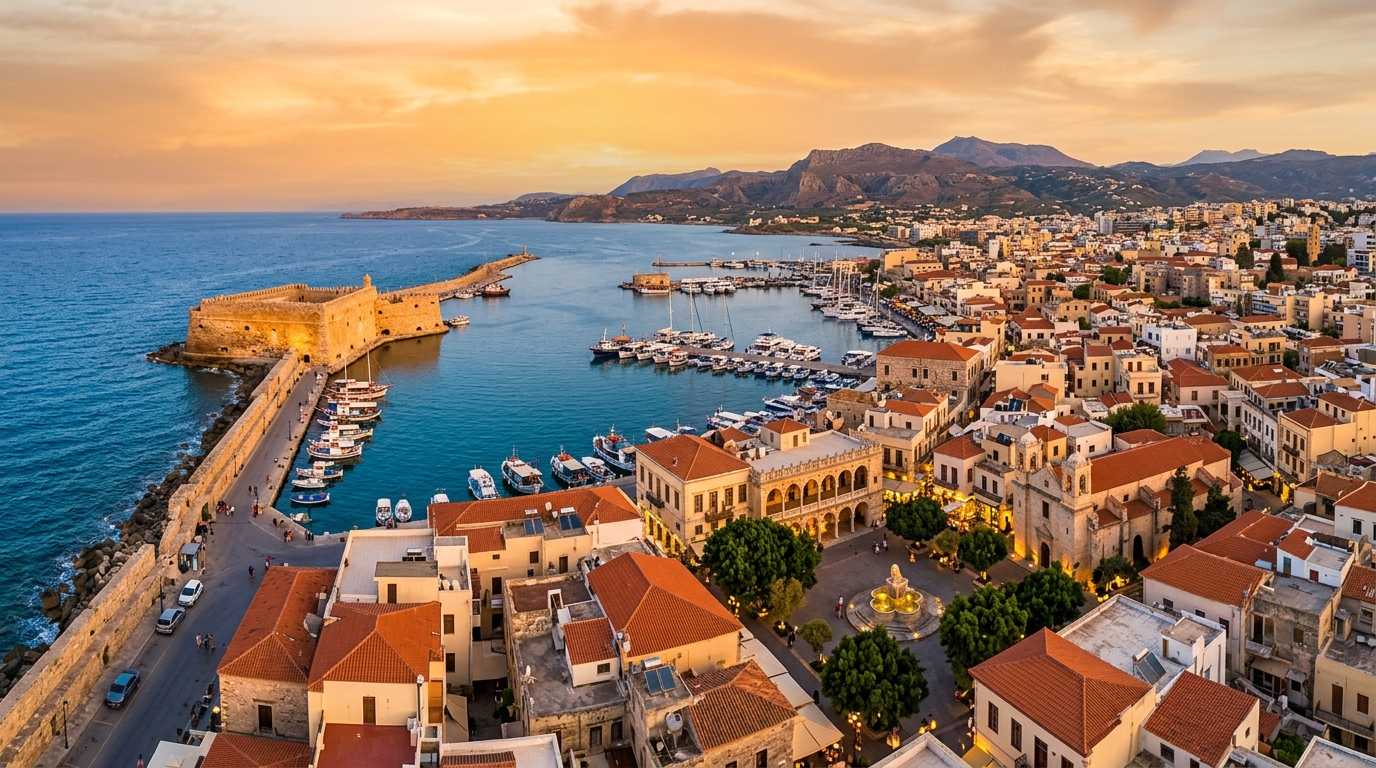
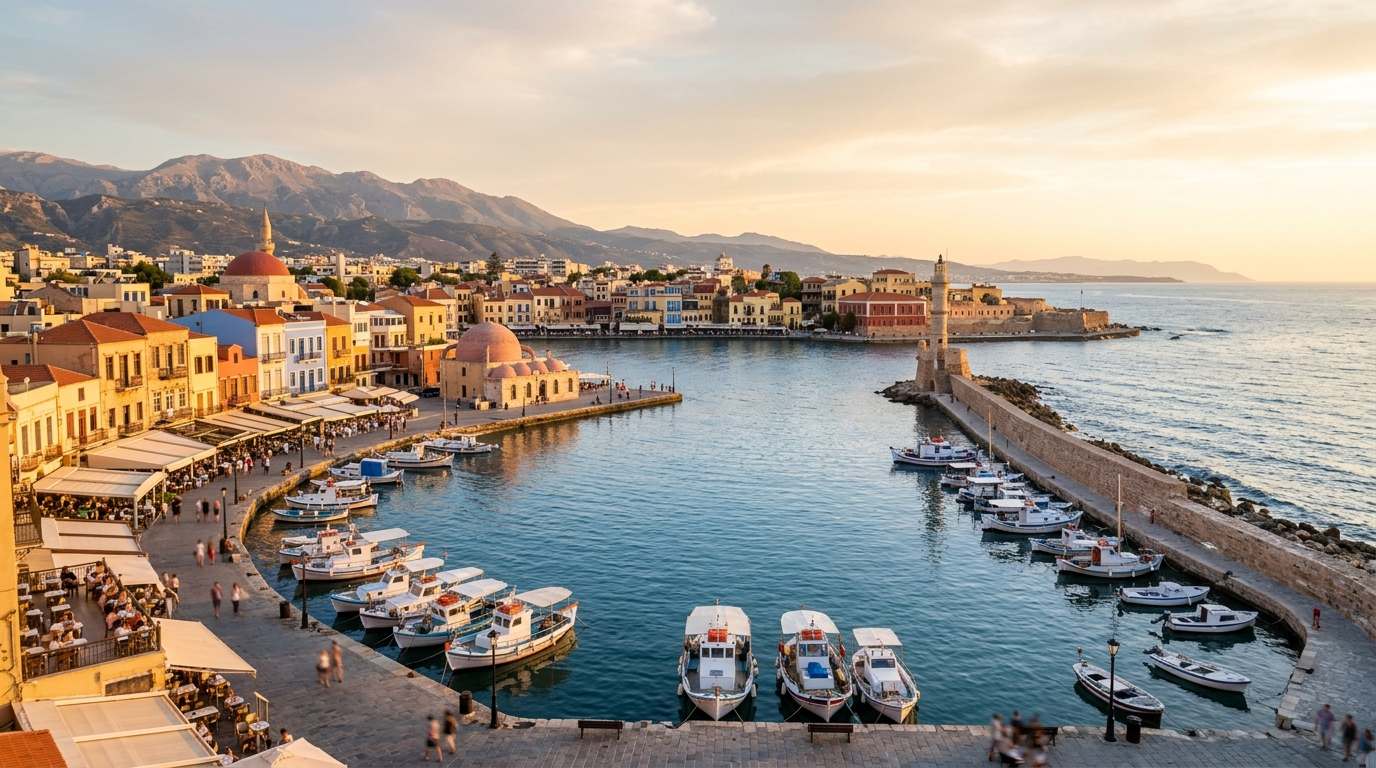
Western Crete (Chania Region): Chania's Venetian harbor ranks among Greece's most photogenic, its pastel buildings reflected in calm waters. Beyond the town, western Crete delivers dramatic landscapes—the Samaria Gorge for serious hikers, easier gorges like Agia Irini for casual walkers, and Elafonisi's pink-sand beaches. The Akrotiri Peninsula hides monasteries and secluded bays. Mountain villages like Vamos offer agrotourism experiences. This region showcases Crete's wild beauty, with fewer tourists as you venture south and west. Budget 3-4 days minimum to explore properly, basing yourself in Chania or coastal villages.
Central Crete (Rethymno Region): Rethymno blends Venetian and Ottoman architecture, its fortress overlooking beaches that extend for miles. South of town, mountains rise steeply—the road to Plakias on the southern coast delivers spectacular views and numerous beach options. Arkadi Monastery holds profound historical significance in Cretan independence struggles. Traditional villages dot the Amari Valley, producing wine, honey, and olive oil. This compact region allows day trips from a single base, though the southern coast's tranquility tempts extended stays.
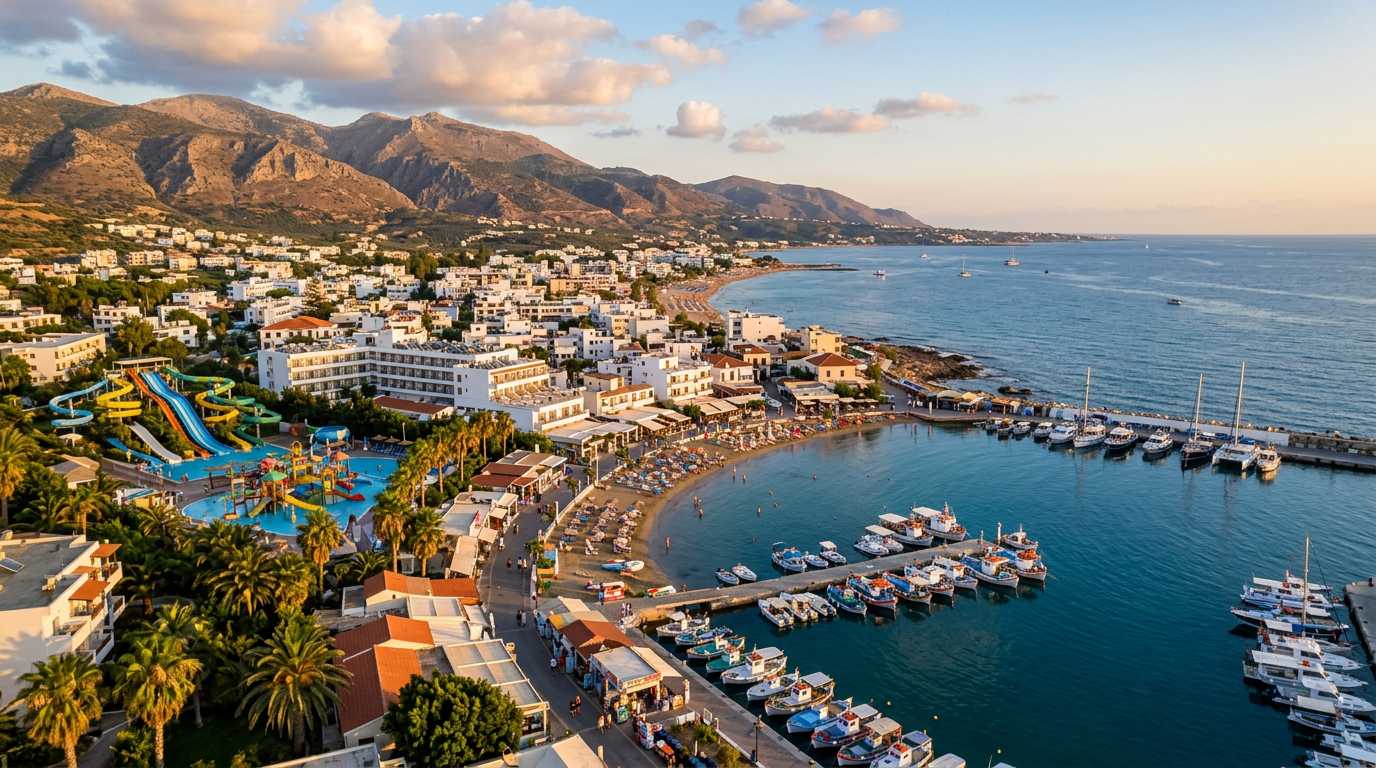
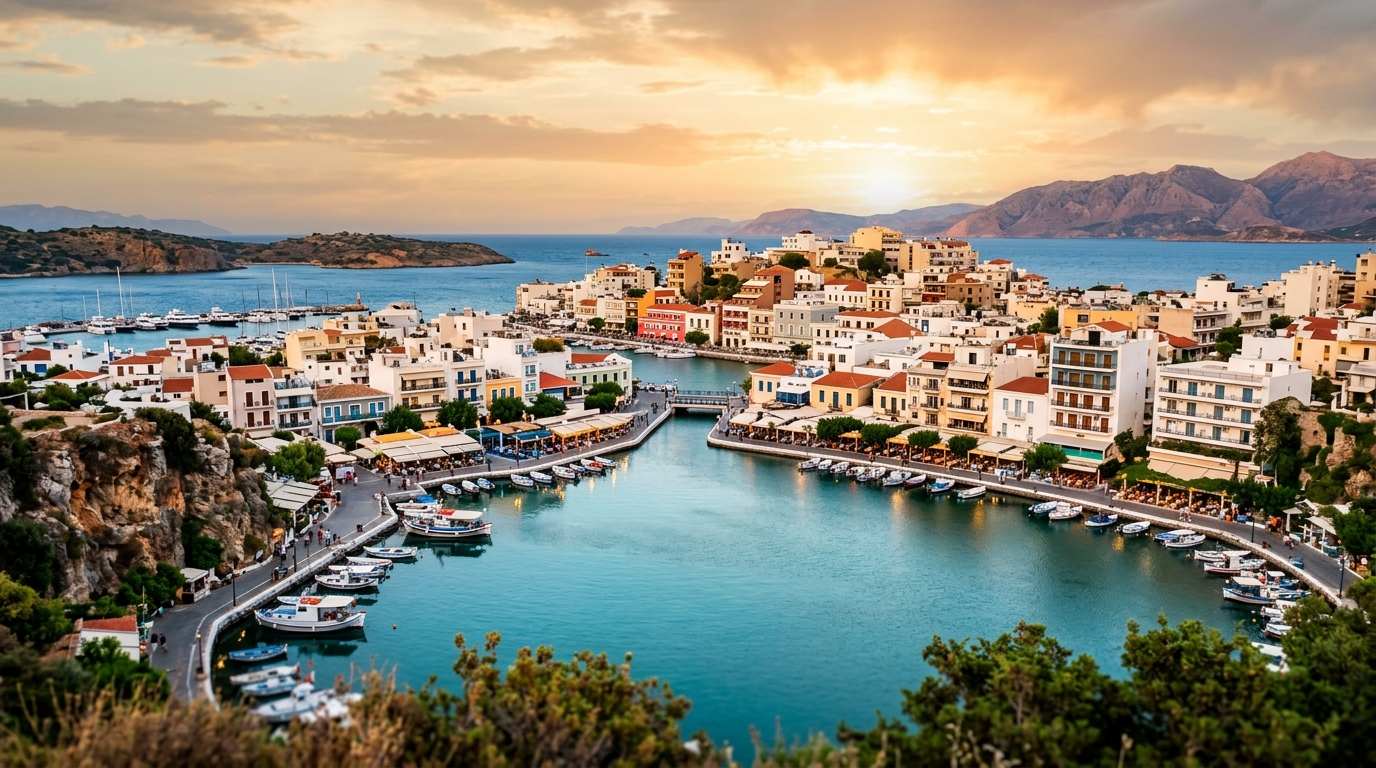
Eastern Crete (Heraklion & Lasithi Regions): Heraklion combines urban energy with archaeological treasures—Knossos requires half a day, the museum another. North coast resorts like Hersonissos and Malia serve beach-focused travelers, though authentic experiences lie inland and south. The Lasithi Plateau, ringed by mountains, offers farming villages and the Dikteon Cave, mythological birthplace of Zeus. Agios Nikolaos and Elounda target upscale travelers with waterfront sophistication. Sitia in the far east remains relatively undiscovered, with Vai Beach and Toplou Monastery justifying the journey. Eastern Crete's diversity rewards a week's exploration.
Car Hire Crete - Practical Information
Fuel & Stations: Petrol stations cluster in towns and along major routes, becoming sparse in mountains and southern coast areas. Fill up opportunistically—don't assume the next village has fuel. Most stations accept credit cards, though rural operations may be cash-only. Prices stay relatively consistent island-wide, slightly higher than mainland Greece, significantly more than northern Europe. Unleaded (95 octane) suits most vehicles; diesel proves cheaper if you're covering serious mileage in an appropriate vehicle.
Tolls & Fees: Crete has no toll roads—the New National Road operates free, unusual for such modern infrastructure. Parking meters in town centers charge modest fees (€1-2 hourly). Some organized beaches levy small entrance fees (€2-4) including sunbed and umbrella in high season. These remain optional—free beaches far outnumber commercial operations.
Road Conditions: Major routes maintain excellent standards. Secondary roads vary—generally acceptable but occasionally potholed, especially after winter. Unsealed roads reach some remote beaches and monasteries; most rental agreements prohibit off-road driving, defining this as any non-asphalt surface. Reality involves judgment—well-maintained dirt tracks to popular spots rarely cause issues, but truly rough terrain risks damage you'll pay for. Ask your rental company about specific destinations before attempting questionable routes.
Safety & Emergencies: Greece's emergency number 112 works throughout Crete, connecting you to police, ambulance, or fire services. Save your rental company's emergency number upon collection. Road assistance typically responds within 1-2 hours, faster near major towns. Standard European protocols apply: warning triangle and reflective vest mandatory, use them if stopped roadside. Drive defensively, especially on mountain roads where oncoming vehicles occasionally cut corners blind. Livestock encounters require slow speeds and patience—goats, sheep, and occasional donkeys claim road rights.
Frequently Asked Questions
What do I need to rent a car in Crete?
You need a valid driving license held for at least one year (often three years if under 23), a passport or EU ID card, and a credit card in the main driver's name for the security deposit. International Driving Permits benefit non-EU license holders, though major rental companies accept licenses in Latin script. Minimum age typically ranges from 21-23 years, with young driver surcharges until age 25-27. Maximum age varies by provider—some restrict rentals above 70-75 years or require additional insurance.
Is it worth renting a car in Crete?
Absolutely, for any traveler wanting to experience beyond beach resorts. Crete's size and diversity make car rental nearly essential for accessing archaeological sites, mountain villages, remote beaches, and traditional tavernas that define authentic Cretan experiences. While bus services connect major towns adequately, they limit spontaneity and reach. A rental car transforms your holiday from constrained to liberating, letting you discover hidden gems, adjust plans based on weather or recommendations, and explore at your own pace. Even a few days with a vehicle dramatically enriches your Crete experience.
Can I drive in Crete with a UK/US/Australian license?
UK licenses work without additional documentation. US, Canadian, Australian, and most non-EU licenses are widely accepted by major rental companies, though an International Driving Permit provides useful translation and peace of mind, especially for police interactions. IDP costs about $20-30 from automobile associations in your country, valid one year. Chinese, Arabic, or Cyrillic script licenses definitely require IDP translation. Always carry both your original license and IDP if applicable.
What type of car is best for Crete?
Most travelers manage perfectly with economy or compact cars like Fiat Panda, VW Polo, or Toyota Yaris—economical, easy to park, and capable on paved roads. Air conditioning proves essential May-September. Manual transmission remains standard and cheaper; automatics cost 30-50% more but are increasingly available. Upgrade to small SUV or crossover if planning mountain routes, dirt tracks to beaches, or traveling with family and luggage. Full-size SUVs or 4WD only justify cost for serious off-road exploration or winter mountain access. Convertibles suit coastal cruising but lack luggage security.
How much does car rental cost in Crete?
Rates vary dramatically by season, vehicle type, and booking timing. Expect approximately €25-40 daily for economy cars in shoulder seasons (May-June, September-October), rising to €50-80 daily in July-August peak. Weekly rentals deliver better daily rates—€150-250 for economy categories in moderate periods, €300-500 in peak summer. Automatic transmission adds €10-20 daily. Full insurance coverage increases costs €10-25 daily but eliminates excess liability. Airport pickup incurs no surcharge at major operators. Booking 2-3 months ahead for peak season secures lower rates before demand inflates prices.
Is driving in Crete difficult?
Main highways and coastal routes present no unusual challenges for confident drivers. Mountain roads require more attention—narrow, winding passages with occasional steep gradients and blind corners. Locals drive assertively but generally courteously once you understand conventions: flashing lights signal "go ahead" not "stop", horns warn of presence not anger, and pulling to the shoulder lets faster traffic pass. Village streets can be extremely narrow—proceed slowly, use mirrors extensively, and fold in mirrors if needed. Parking in major towns demands patience and defensive technique. Most visitors adapt quickly, reporting Cretan driving as manageable and rewarding once initial nervousness passes.
Should I book car rental in advance for Crete?
Definitely for July-August travel—book 2-3 months ahead to secure reasonable rates and preferred vehicle categories. Peak season sees both prices spike and availability shrink, especially for popular categories like small automatics or SUVs. Shoulder seasons (May-June, September-October) allow 2-4 weeks advance booking for good choice and competitive rates. April and October manage with 1-2 weeks notice. November-March offers last-minute availability and bargain rates, though vehicle selection narrows as companies reduce fleet size. Advance booking always delivers better prices and guarantees your preferred category—walk-up rates rarely offer advantages.
Can I take a rental car on the ferry from Crete?
Most rental agreements prohibit taking vehicles off Crete on ferries to other Greek islands or mainland without explicit written permission, which companies rarely grant due to insurance complications and vehicle tracking. If you plan island hopping, arrange separate rentals on each destination. Ferry companies allow rental cars aboard, but your rental contract likely forbids it. Violating this risks voiding insurance and hefty penalties if discovered. Some high-end providers may permit inter-island travel for significant surcharges and advance arrangements—clarify this when booking if relevant to your itinerary.
What insurance do I need for car rental in Crete?
Basic packages include mandatory third-party liability and Collision Damage Waiver (CDW) with substantial excess—the amount you pay for damage before insurance covers costs, typically €800-1,500. Supplemental coverage reducing or eliminating this excess costs extra but provides peace of mind. Scrutinize what's covered: undercarriage, tires, glass, and roof often excluded from basic policies. Full coverage packages addressing these gaps cost €10-25 daily extra. Credit card rental insurance sometimes covers excess but verify Greek island coverage and exclusions. Personal accident insurance protects you and passengers beyond vehicle damage. Choose coverage level balancing cost against your risk tolerance and driving confidence.
Where can I pick up my rental car in Crete?
Heraklion Airport and Chania Airport host most pickups, with desks conveniently located in arrivals halls. Downtown offices operate in Heraklion, Chania, Rethymno, and Agios Nikolaos cities. Many providers deliver to hotels in popular resort areas like Hersonissos, Malia, Elounda, Plakias, and Paleochora, sometimes for small fees or free depending on location and rental length. Port offices serve ferry passengers in Heraklion and Chania harbors. One-way rentals between Crete's two airports have become common and affordable, eliminating backtracking for travelers with different arrival and departure points. Our booking platform displays all available pickup and drop-off locations with transparent pricing for each option.