Compare verified local car rental providers across 21 Greek destinations. Book your perfect vehicle with transparent pricing, flexible pickup, and 24/7 support.
Renting a car in Greece transforms your journey from restricted to limitless. With over 6,000 islands and a mainland rich in archaeological wonders, mountain villages, and hidden beaches, Greece rewards those who venture beyond tour bus routes. A rental car grants you the freedom to explore ancient ruins at dawn, discover secluded coves before the crowds arrive, and navigate mountain passes to traditional tavernas where locals still gather.
Greece's diverse geography demands mobility. The Peloponnese Peninsula alone hosts Olympia, Mycenae, Epidaurus, and dozens of Byzantine monasteries scattered across hilltops. Crete stretches 260 kilometers east to west, with Samaria Gorge, Balos Lagoon, and Minoan palaces accessible only by private vehicle. The Cyclades islands of Santorini, Mykonos, Naxos, and Milos each require wheels to reach their cliff-top villages and remote beach paradises.
Mainland regions like Meteora, Delphi, Pelion, and Zagori showcase Greece's natural grandeur. Stone bridges span rushing rivers, monasteries perch on impossible rock pillars, and alpine meadows bloom with wildflowers. Public transportation serves major hubs but leaves these treasures hours away. Car rental in Greece means accessing UNESCO World Heritage sites, hidden waterfalls, and family-run wineries at your own pace.
Greece maintains an extensive highway system connecting major cities and tourist destinations. The A1 motorway runs from Athens to Thessaloniki, while the E75 continues north to the Bulgarian border. Crete's National Road spans the island's northern coast, linking Chania, Rethymno, Heraklion, and Agios Nikolaos. Modern highways feature electronic toll systems, rest stops, and clear signage in both Greek and Latin alphabets.
Island roads vary significantly by location and season. Santorini's cliff-hugging routes demand careful navigation, especially during peak season when tour buses and scooters share narrow lanes. Rhodes offers well-maintained coastal roads and inland routes to mountain villages. Corfu's winding coastal drives reveal pristine beaches, while Zakynthos provides straightforward access to Navagio Beach viewpoints and turtle nesting grounds.
Mountain driving in Greece tests your skills and rewards your effort. The Pindus Mountains of Epirus feature serpentine roads through Vikos Gorge, one of the world's deepest canyons. The Mani Peninsula's narrow coastal roads cling to cliffs above the Aegean, passing stone tower houses and Byzantine churches. Winter driving requires chains in mountainous areas, while summer brings afternoon heat that tests vehicle air conditioning.
Economy cars dominate Greek rental fleets for good reason. Compact vehicles like the Fiat Panda, Renault Clio, and Toyota Yaris navigate narrow village streets, squeeze into tight parking spaces, and deliver exceptional fuel economy on long highway stretches. Most Greek roads accommodate small cars comfortably, making economy models ideal for couples or solo travelers exploring islands and mainland regions.
Family vehicles expand capacity without sacrificing maneuverability. The Nissan Qashqai, Peugeot 3008, and Skoda Octavia provide luggage space for four adults while maintaining reasonable fuel consumption. These crossovers handle unpaved roads to remote beaches and offer elevated driving positions for better visibility on mountain passes. Air conditioning proves essential during June through September when temperatures exceed 35°C.
SUVs suit adventurous itineraries and off-road exploration. The Suzuki Vitara and Dacia Duster access dirt tracks to hidden gorges, mountain monasteries, and secluded camping spots. Four-wheel drive becomes valuable in mountainous regions during shoulder seasons when rain creates muddy conditions. Larger SUVs provide comfort for extended road trips but limit parking options in historic town centers where spaces measure barely two meters wide.
Greek car rental requires a valid driver's license held for at least one year, though many providers mandate two years for drivers under 25. EU citizens use their national licenses, while international visitors need either an International Driving Permit or an English-language license. Credit cards remain mandatory for security deposits, with debit cards rarely accepted even with full insurance coverage.
Age restrictions vary by vehicle category and rental company. Minimum age typically starts at 21 for economy cars, rising to 23 for intermediate vehicles and 25 for SUVs and premium models. Young driver surcharges apply until age 25, adding daily fees ranging from moderate to substantial. Senior drivers face no upper age limits at most agencies, though some require medical certificates after age 70.
Insurance coverage forms the foundation of stress-free Greek driving. Basic third-party liability protects against damage to other vehicles and property. Collision Damage Waiver reduces your financial responsibility for vehicle damage, while Theft Protection covers stolen cars. Super CDW eliminates excess charges entirely, though rental agreements may still exclude windscreen damage, tire punctures, and undercarriage impacts from coverage.
Greek fuel stations offer three primary options: unleaded 95 octane petrol, diesel, and LPG. Most rental cars run on unleaded fuel, marked as "αμόλυβδη" (amolivdi) at pumps. Diesel vehicles, common in larger cars and SUVs, use "πετρέλαιο κίνησης" (petreleo kinisis). LPG availability remains limited to mainland cities and major highways, making it impractical for island exploration or remote regions.
Fuel pricing in Greece exceeds most European averages, with island stations charging premiums above mainland rates. Athens and Thessaloniki feature the most competitive prices, while Santorini and Mykonos command the highest rates. Coastal villages often maintain only one station with irregular hours, making tank-filling strategic planning essential. Highway rest stops provide 24-hour fuel access but charge convenience premiums.
Full-to-full fuel policies dominate Greek rentals. You receive the car with a full tank and return it filled to avoid expensive refueling charges. Gas station attendants often provide full service, especially in smaller towns where self-service pumps remain rare. Credit cards work at most stations, but cash proves more reliable in villages. Evening closures between 7 PM and 7 AM affect rural areas, so plan accordingly.
Athens parking challenges even experienced drivers. Blue zones require payment via phone apps or parking meters, with rates increasing toward central districts. White lines indicate free parking zones, though spaces vanish quickly near major attractions. Paid parking garages beneath Syntagma Square, Monastiraki, and Plaka offer secure alternatives with hourly rates. Residential areas prohibit non-resident parking, marked by yellow curbs.
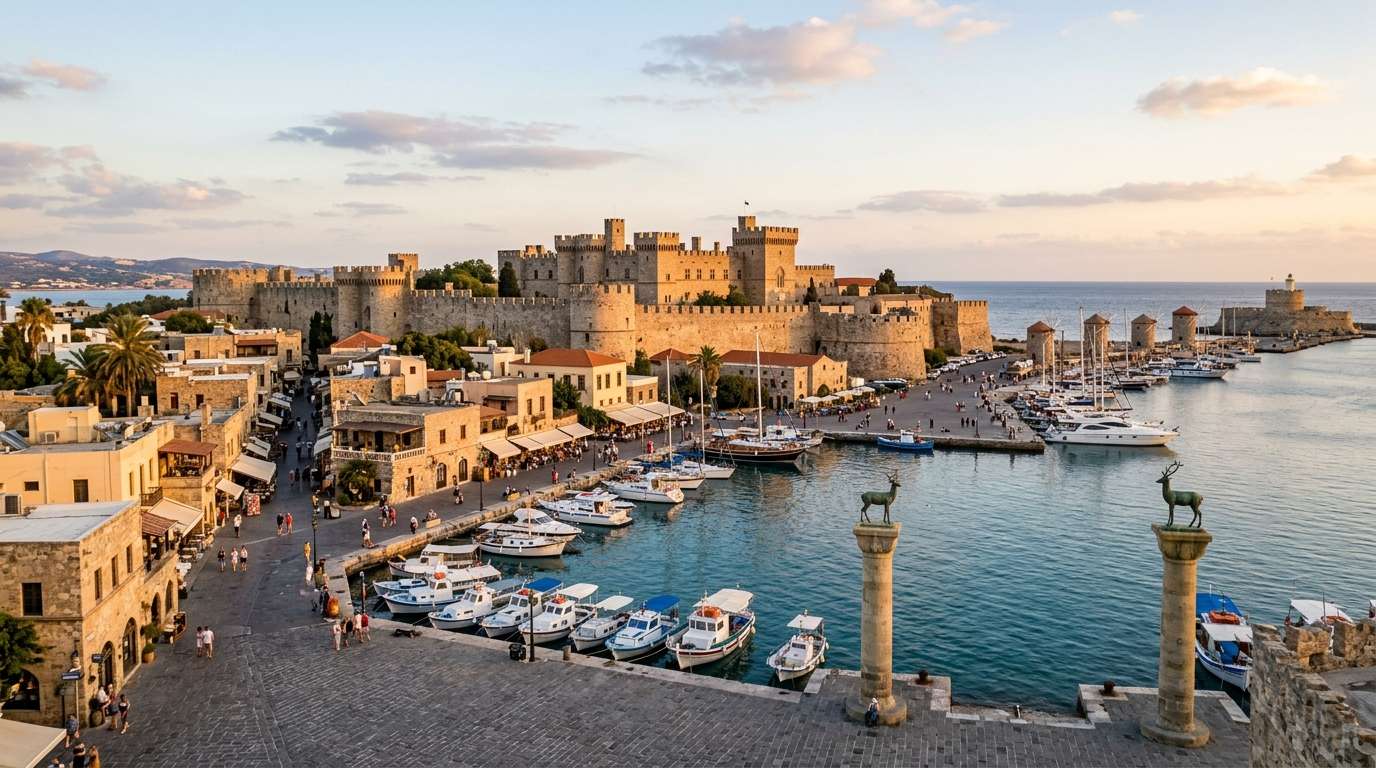
Island villages embrace traditional layouts that predate automobiles. Mykonos Town and Santorini's Fira restrict vehicle access to narrow marble-paved lanes better suited for donkeys than cars. Designated parking lots sit on village outskirts, requiring short walks to central areas. Rhodes Old Town remains completely car-free within medieval walls, with large parking areas at entry gates. Corfu Town maintains paid parking zones along the waterfront.
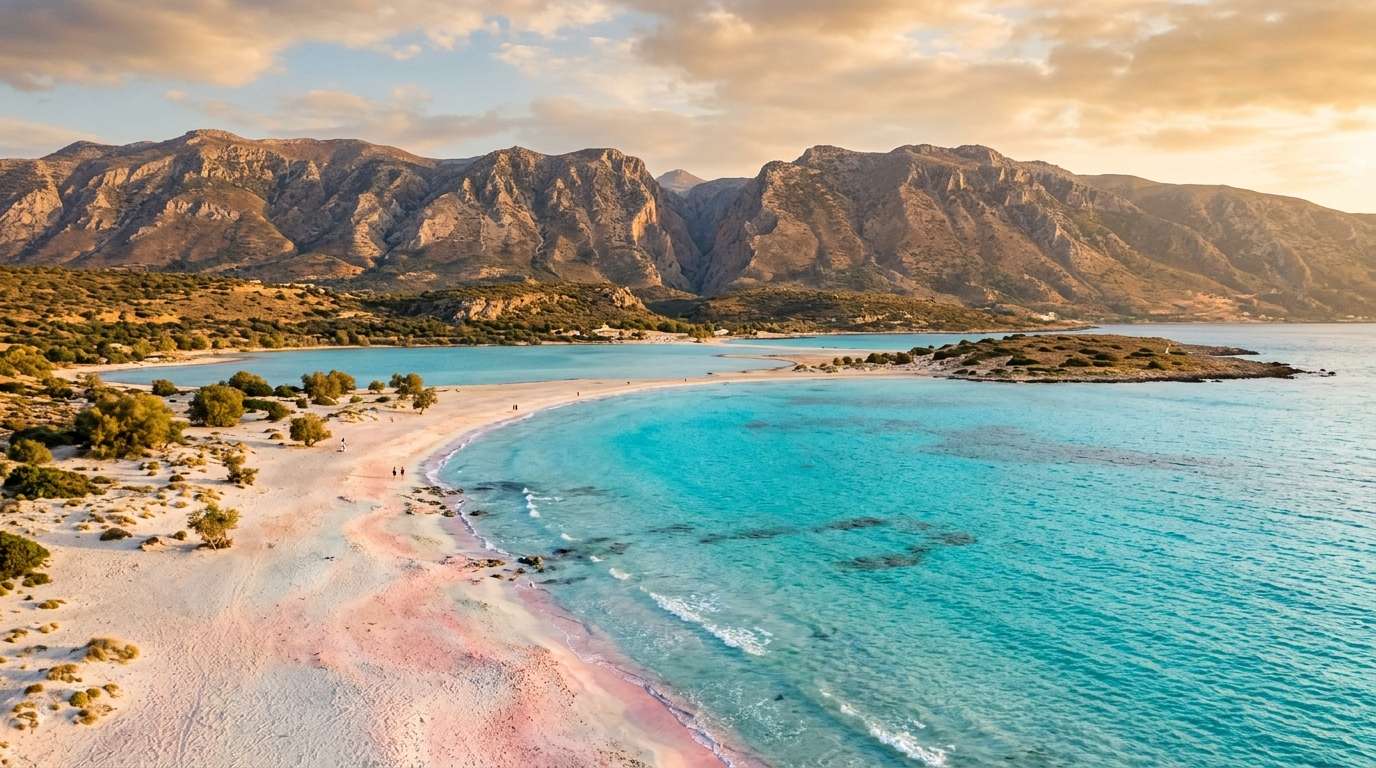
Beach parking varies by popularity and season. Famous beaches like Elafonissi in Crete or Navagio in Zakynthos offer organized lots with attendants and per-day fees. Remote beaches provide informal parking along dirt roads or in olive groves, where locals may request small contributions. Arrive before 10 AM at popular beaches during July and August to secure spaces. Afternoon departures often create new parking opportunities as day-trippers leave.

Explore our most popular locations for car rental across mainland Greece and the islands. Each destination offers unique driving experiences, from coastal highways to mountain villages.
Greece's capital offers the widest selection of rental vehicles, with airport pickup and city center locations. Navigate ancient ruins, coastal suburbs, and day trips to Delphi or Cape Sounion with ease.
Compare Athens Rentals →
Greece's largest island demands a vehicle to explore its 260-kilometer length. Discover Samaria Gorge, Balos Beach, Minoan palaces, and mountain villages across diverse landscapes from Chania to Agios Nikolaos.
Explore Crete Options →
Navigate caldera cliff roads to reach Oia's sunset views, Red Beach, Akrotiri ruins, and traditional wineries. Compact cars suit narrow village lanes while providing freedom from crowded buses.
Book Santorini Vehicle →
Crete's largest city serves as the gateway to Knossos Palace, southern coast beaches, and mountain villages. Airport and port pickups facilitate island-wide exploration from this central hub.
Find Heraklion Cars →
Explore medieval Old Town, ancient Lindos, Valley of Butterflies, and pristine east coast beaches. Well-maintained roads circle the island, connecting mountain villages with coastal resorts.
Compare Rhodes Rentals →
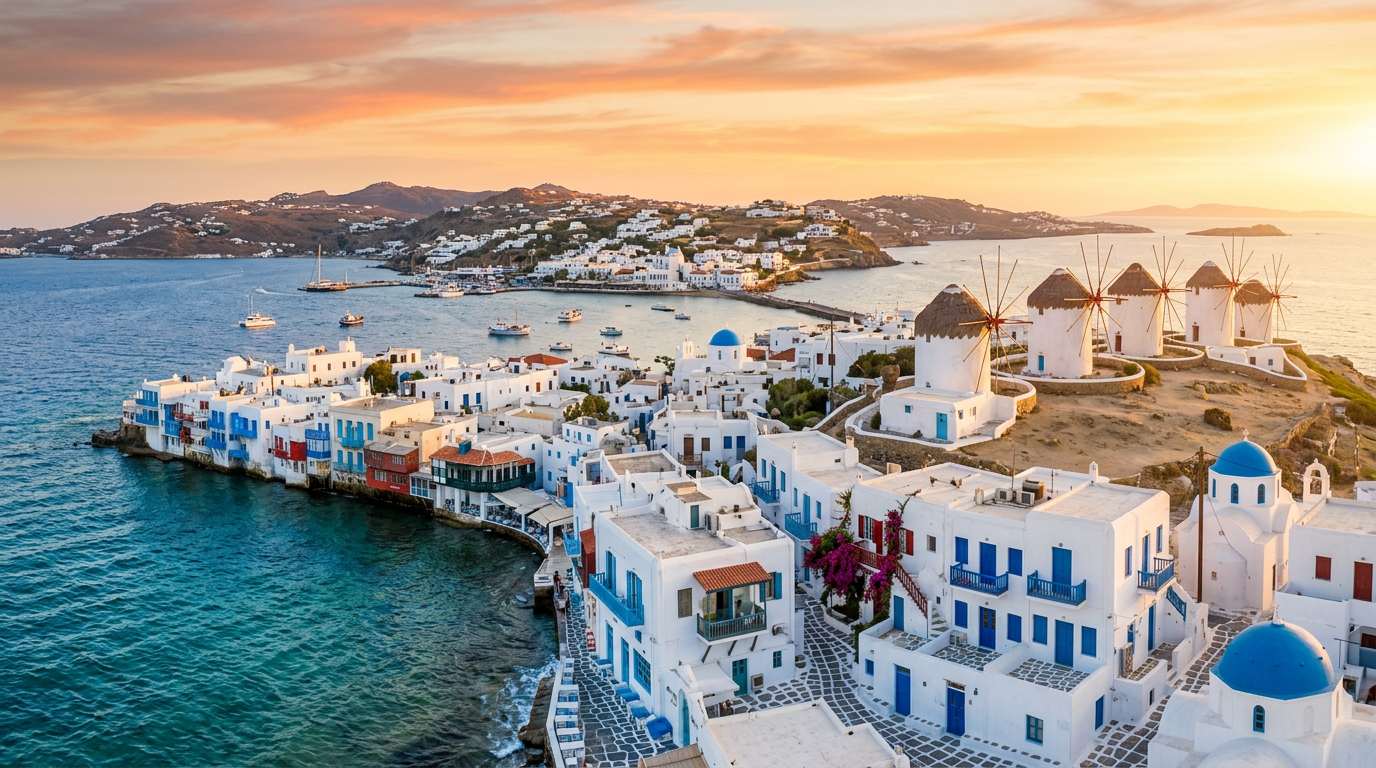
Access famous beach clubs, quiet northern coves, and traditional inland villages. Compact vehicles navigate narrow streets while providing independence from expensive taxis and bus schedules.
Rent in Mykonos →
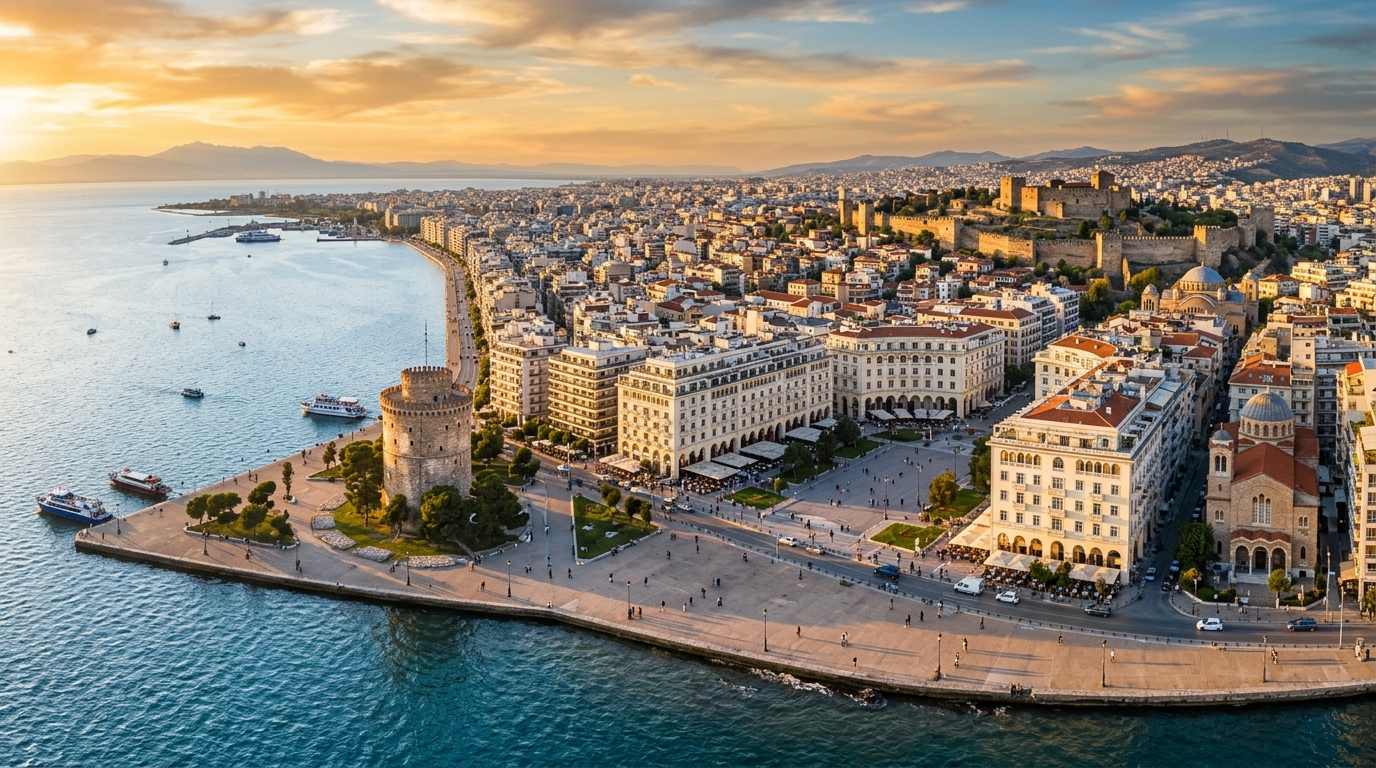
Northern Greece's cultural capital provides access to Mount Olympus, Meteora monasteries, Halkidiki beaches, and wine routes. Modern highways connect the city with mountain resorts and coastal villages.
Browse Thessaloniki Fleet →
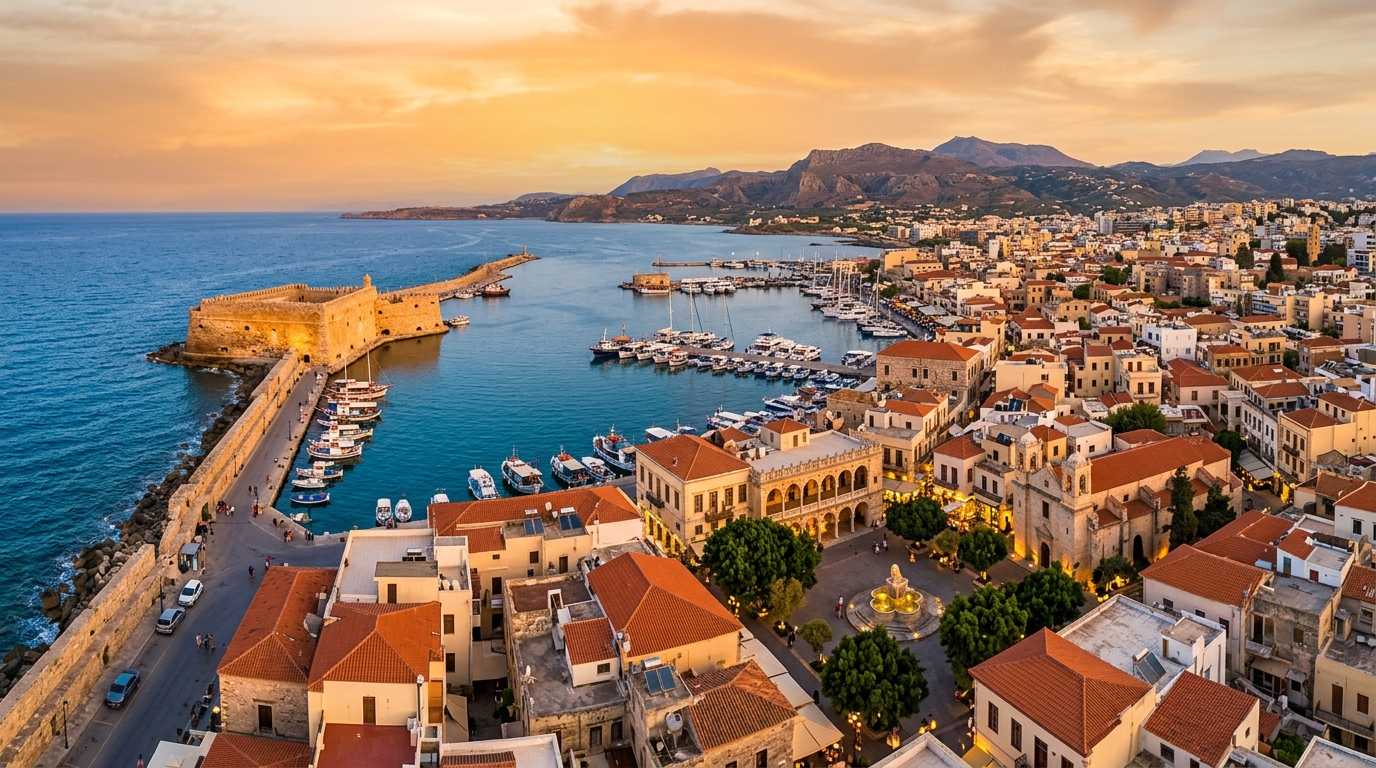
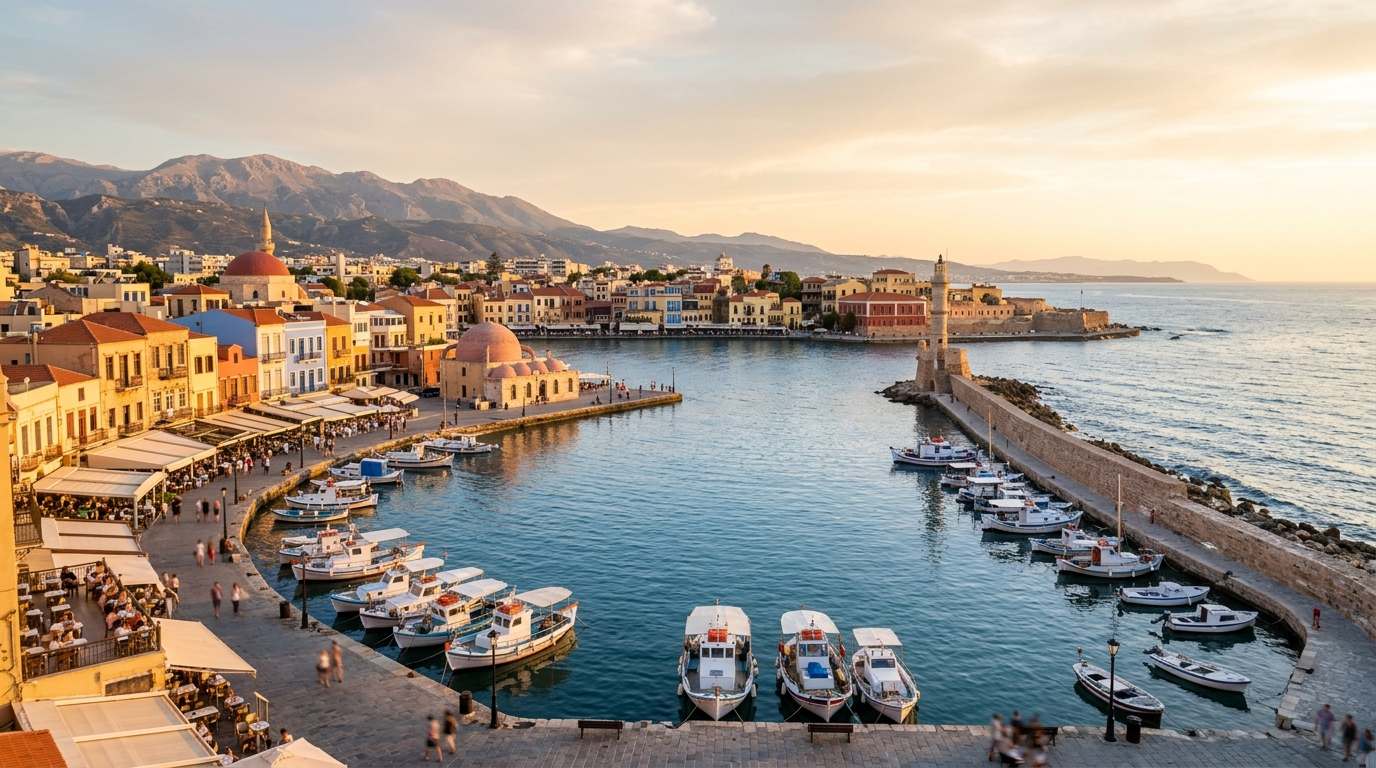
Western Crete's Venetian harbor town opens routes to Balos Lagoon, Elafonissi Beach, Samaria Gorge, and White Mountains villages. Scenic coastal and mountain drives showcase the region's diversity.
Discover Chania Cars →
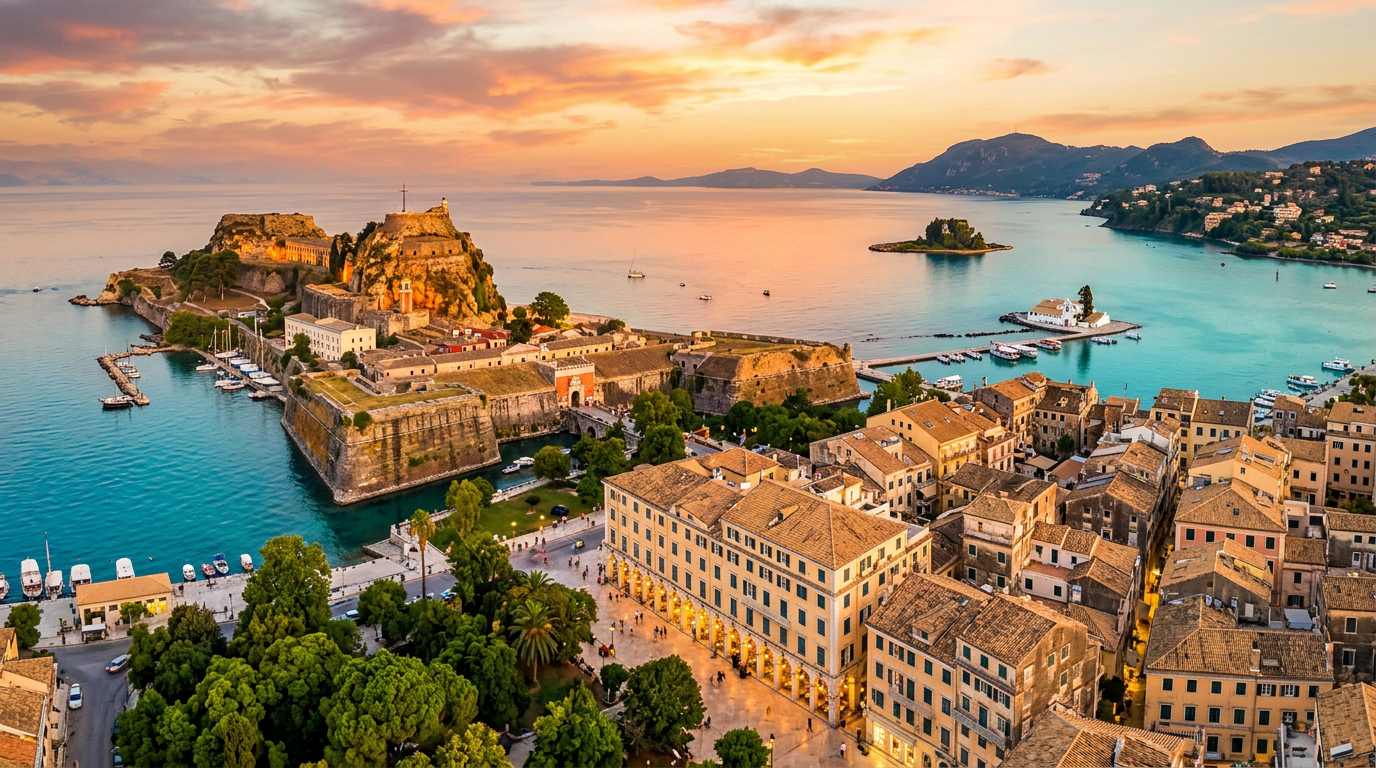
The Ionian island's green landscapes and Venetian architecture reward exploration. Drive coastal roads to Paleokastritsa, mountain villages, and quiet eastern beaches away from resort areas.
Check Corfu Availability →
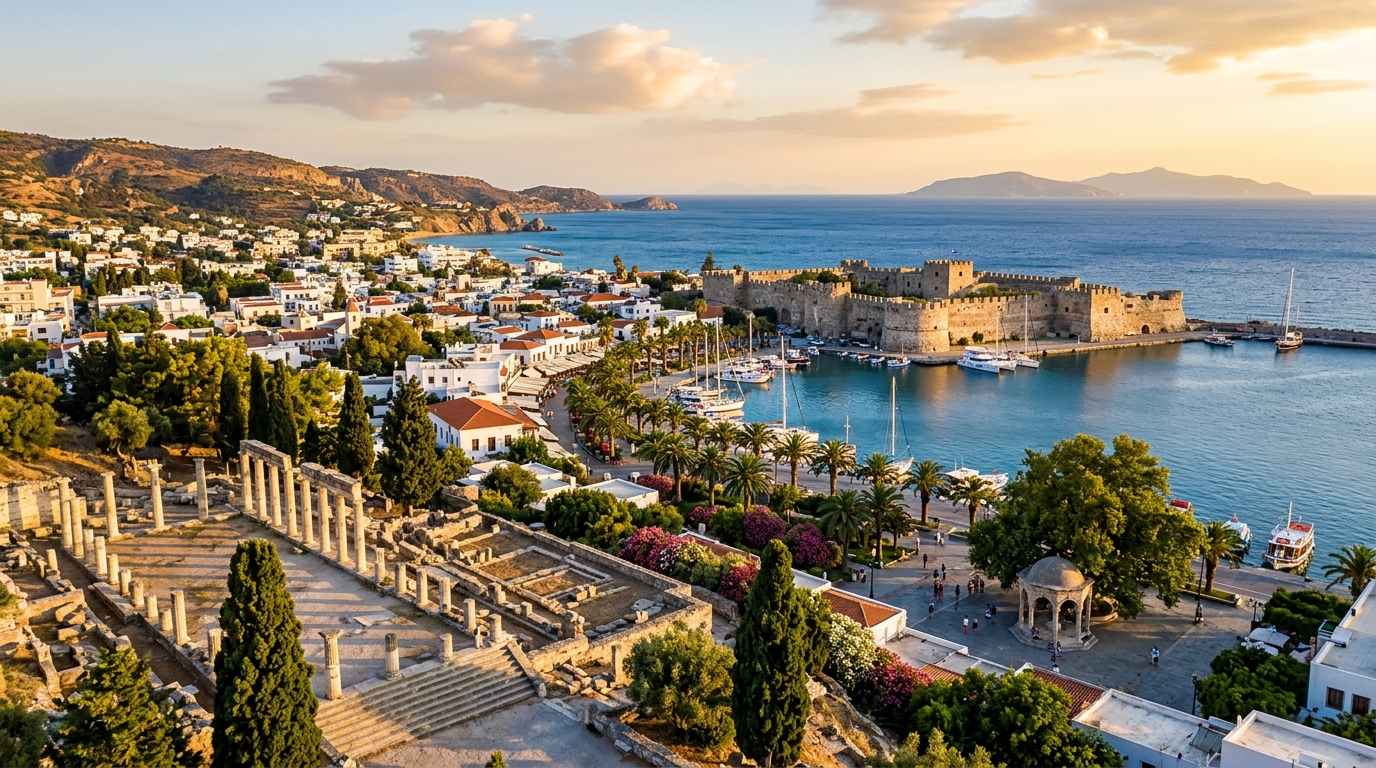
Dodecanese island driving reaches Asklepion healing sanctuary, Zia mountain village, and southern coast beaches. Flat terrain suits all driver experience levels, with airport and port pickup options.
View Kos Vehicles →Browse our complete network of 21 destinations across mainland Greece and the islands, grouped by region.
| City | Region | Airport Pickup | Popular Routes |
|---|---|---|---|
| Athens | Attica | Yes - ATH | Delphi, Meteora, Peloponnese |
| Thessaloniki | Central Macedonia | Yes - SKG | Mount Olympus, Meteora, Halkidiki |
| Piraeus | Attica | Port Only | Island ferries, Athens access |
| Volos | Thessaly | No | Pelion Peninsula, Meteora |
| Alexandroupoli | Thrace | Yes - AXD | Turkish border, Samothraki ferry |
| City | Location | Airport Pickup | Highlights |
|---|---|---|---|
| Heraklion | North-Central | Yes - HER | Knossos, beaches, island base |
| Chania | Northwest | Yes - CHQ | Balos, Samaria, Venetian harbor |
| Crete (Island) | Full Island | Multiple | Complete island coverage |
| Hersonissos | North Coast | No | Beach resort, Knossos access |
| Agios Nikolaos | Northeast | No | Lake Voulismeni, Spinalonga |
| Bali | North Coast | No | Quiet village, cove beaches |
| Island | Airport | Terrain | Best For |
|---|---|---|---|
| Santorini | Yes - JTR | Hilly, narrow roads | Caldera views, wineries, beaches |
| Mykonos | Yes - JMK | Flat to moderate | Beach clubs, quiet villages |
| Naxos | Yes - JNX | Mountain villages | Marble villages, remote beaches |
| Milos | Yes - MLO | Varied, some dirt | Hidden coves, volcanic landscape |
| Island | Airport | Terrain | Driving Notes |
|---|---|---|---|
| Rhodes | Yes - RHO | Well-paved roads | Circular routes, medieval sites |
| Kos | Yes - KGS | Flat, easy driving | Coastal roads, mountain villages |
| Kos Airport | KGS Terminal | Airport pickup | Direct vehicle collection |
| Island | Airport | Terrain | Highlights |
|---|---|---|---|
| Corfu | Yes - CFU | Green, winding roads | Venetian towns, mountain villages |
| Zakynthos | Yes - ZTH | Coastal and mountain | Navagio Beach, turtle bays |
| Island | Airport | Size | Character |
|---|---|---|---|
| Lesbos | Yes - MJT | Large | Thermal springs, Byzantine sites |
Greek summer driving brings challenges and rewards in equal measure. Temperatures climb above 35°C on mainland and islands alike, making air conditioning non-negotiable rather than optional luxury. Roads fill with rental cars, tour buses, and local traffic, especially on popular routes to Santorini's Oia, Mykonos beaches, and Crete's northern coast. Parking spaces vanish by mid-morning at famous beaches and archaeological sites.
Early booking proves essential during peak season, with prices rising and availability shrinking as departure dates approach. Economy cars disappear first, forcing late bookers into more expensive categories or less convenient pickup locations. Island rentals particularly suffer shortages during July and August when ferry passengers arrive expecting immediate vehicle availability. Reserve at least two months ahead for summer island trips.
Heat affects both vehicles and drivers. Check air conditioning function before leaving rental lots, as systems strained by previous renters sometimes fail. Carry extra water for both passengers and radiators on long drives. Midday heat makes parking in direct sun uncomfortable, so seek shade where possible. Mountain routes offer cooler alternatives to coastal highways, though traffic increases as locals flee to highland villages.
Spring and autumn deliver Greece's finest driving conditions. Temperatures hover between 20-28°C, wildflowers blanket hillsides, and tourist crowds thin considerably. Roads clear enough for relaxed coastal drives, while parking challenges decrease at popular sites. Rental rates drop compared to summer peaks, and vehicle selection improves as demand decreases.
April brings Orthodox Easter, Greece's most important holiday. Roads become busy during Holy Week as Greeks travel to ancestral villages, but post-Easter weeks offer perfect touring weather. May sees perfect beach weather emerge without summer's intensity. September maintains summer warmth with reduced crowds, while October delivers crisp mornings ideal for mountain driving before winter rains arrive.
Shoulder season driving requires weather awareness. Spring brings occasional rain showers, particularly in northern regions and mountains. October sees first autumn storms arrive, with mountain passes sometimes closing due to early snow. Check forecasts before mountain trips and carry warm layers. Island ferry schedules reduce frequency after September, affecting inter-island rental car logistics.
Winter transforms Greek driving entirely. Snow closes mountain passes including routes to Meteora, Delphi, and Pelion above certain elevations. Athens and coastal cities remain mild and drivable, though rain increases and temperatures drop to 10-15°C. Islands become quiet, with many hotels and restaurants closing until spring, though major tourist infrastructure stays open year-round.
Rental prices hit annual lows during winter, with promotional rates and upgrade opportunities common. Vehicle selection remains good except during Christmas and New Year weeks when Greeks travel domestically. Winter driving suits Athens exploration, Peloponnese archaeological sites, and mild island destinations like Crete's southern coast. Ski resorts in northern Greece create demand for winter rentals with snow chains included.
Daylight hours shorten significantly, with sunset arriving around 5 PM in December and January. Plan driving schedules accordingly, as rural roads lack lighting and mountain routes become hazardous after dark. Winter ferries run reduced schedules with weather cancellations common during storms. Mainland destinations become more practical than island-hopping during winter months.
Greece follows standard European right-hand driving conventions, with overtaking on the left and priority given to vehicles approaching from the right at unmarked intersections. Speed limits default to 50 km/h in urban areas, 90 km/h on rural roads, and 130 km/h on motorways, though actual enforcement varies significantly. Highway speed cameras operate on major routes, while police checkpoints appear regularly during holiday periods and weekends.
Seat belts remain mandatory for all passengers, with children under 12 required to use appropriate child safety seats in rear positions. Mobile phone use without hands-free systems incurs substantial fines, though enforcement remains inconsistent. Blood alcohol limits sit at 0.05% for regular drivers and 0.02% for those with licenses under two years, with breathalyzer tests common at roadside checks.
Greek traffic enforcement targets specific violations aggressively. Parking violations in Athens and major cities result in immediate wheel clamps or towing, with retrieval fees exceeding daily rental costs. Red light cameras operate at major intersections, sending fines to rental companies who charge administrative fees on top of penalties. Rental agreements make renters responsible for all traffic violations during their rental period.
Greek motorways charge tolls based on distance traveled, with payment stations appearing approximately every 50-100 kilometers. Modern highways use electronic toll systems, though cash lanes remain available at all stations. Tolls from Athens to Thessaloniki total around €20-25, while shorter trips cost €2-5 per station. Keep small bills and coins handy as change availability varies.
Some rental companies offer electronic toll transponders, charging tolls directly to your credit card plus small processing fees. This convenience eliminates toll booth stops but requires returning the transponder with your vehicle. Without transponders, choose cash or card lanes clearly marked at toll plazas. Card readers occasionally malfunction, making cash backup advisable for toll payments.
Island roads rarely charge tolls, with Crete's National Road remaining free throughout its length. The Rion-Antirion Bridge connecting Peloponnese to mainland Greece charges €13.50, while the Athens-Corinth motorway costs approximately €7. Budget toll expenses into longer mainland journeys, as costs accumulate quickly on routes covering multiple regions.
European emergency number 112 connects to police, ambulance, and fire services throughout Greece. Roadside assistance numbers vary by rental company, with contact details provided in rental documents and often displayed on dashboard stickers. Most major rental providers contract with Greek automobile associations for 24/7 breakdown service across mainland and islands.
Breakdown procedures require staying with your vehicle when safely possible, activating hazard lights, and deploying warning triangles included in all rental cars. Assistance typically arrives within 30-60 minutes in urban and tourist areas, extending to several hours in remote mountain or island locations. Language barriers sometimes complicate phone communication, though rental company English-speaking operators facilitate coordination.
Accident protocols mandate staying at the scene and calling police for reports required by insurance companies. Exchange information with other drivers, photograph vehicle damage and surroundings, and notify your rental company immediately. Greek police generate detailed accident reports necessary for insurance claims. Never admit fault or sign Greek-language documents without translation assistance.
Greek car rental costs fluctuate dramatically based on season, location, and booking timing. Athens and Thessaloniki airport locations offer competitive pricing thanks to provider competition and high volume. Island rentals, particularly Santorini and Mykonos, command premium rates reflecting limited supply and ferry transport costs for vehicles. A compact car might cost €20-30 daily in Athens versus €50-80 in peak season Santorini.
Vehicle category significantly impacts pricing. Economy cars like Fiat Panda and Toyota Aygo provide cheapest rates, with intermediate and SUV categories adding substantial premiums. Automatic transmission vehicles cost 20-40% more than manual equivalents due to limited availability in Greek fleets. Air conditioning, once optional, now comes standard in most vehicles given Greek climate demands.
Rental duration affects daily rates through volume discounts. Week-long rentals deliver better per-day pricing than 2-3 day bookings, while monthly rates suit extended stays. Adding extra days to existing reservations costs more than booking longer periods initially. Compare weekly rates against daily calculations to identify optimal rental durations for your itinerary.
Insurance excess represents the largest potential hidden cost in Greek rentals. Standard Collision Damage Waiver leaves renters responsible for €800-1,500 excess on damage claims, with Super CDW reducing this to zero for additional daily fees. Windscreen, tire, and undercarriage damage often falls outside standard coverage, requiring separate protection or self-insurance risk acceptance.
Young driver surcharges apply to renters under 25, adding €5-15 daily to base rates. Additional driver fees typically cost €5-10 per day, though some providers waive charges for spouses. One-way rentals between different pickup and dropoff locations incur fees ranging from €30 for nearby cities to €200+ for cross-country returns. Island-to-island one-ways remain generally impossible due to ferry logistics.
Airport pickup fees add €15-30 to rentals versus city center locations, though convenience often justifies the premium. Out-of-hours pickup and return services incur surcharges typically around €20-40. Fuel policies vary, with full-to-full fairest but requiring refueling before return. Prepaid fuel options rarely deliver value as unused fuel remains non-refundable at inflated per-liter rates.
Book early for summer travel, with January through March delivering optimal rates for June through August rentals. Prices rise as availability decreases, particularly for economy vehicles and popular island locations. Winter and shoulder season bookings can wait until 2-4 weeks before travel without significant rate increases, except during Greek holidays when domestic demand surges.
Compare providers systematically rather than booking first results. Glocal Greece aggregates rates from multiple local and international providers, displaying real-time availability and pricing. Check both airport and city center locations, as urban offices sometimes offer better rates despite additional transfer needs. Consider nearby airports when flying into Athens, as Thessaloniki or island airports occasionally deliver better deals for certain itineraries.
Flexibility delivers savings. Adjusting pickup times by a few hours can shift rentals between pricing tiers, particularly around weekly rate thresholds. Consider splitting long trips into multiple shorter rentals if rates differ significantly between periods or locations. However, avoid multiple rental contracts for continuous use as dropoff/pickup logistics and duplicate insurance costs eliminate savings.
Most Greek rental agreements prohibit taking vehicles outside Greece's borders without explicit authorization. Albania, North Macedonia, Bulgaria, and Turkey border crossings require advance approval from rental companies and additional insurance documentation. Some providers refuse international travel entirely, while others charge daily cross-border fees ranging from €10-30 plus insurance supplements.
Insurance coverage typically terminates at Greek borders unless specific international policies are purchased. Green Card insurance certificates prove necessary at border crossings, with rental companies providing these documents when international travel gains approval. Vehicle registration documents and notarized authorization letters may be required, particularly when crossing into non-EU countries like Turkey or Albania.
Border crossing practicality varies significantly. Albanian borders see frequent Greek vehicle traffic, with crossings relatively straightforward. Turkish crossings involve more bureaucracy and longer wait times. North Macedonia and Bulgaria crossings serve specific itineraries but add complexity rarely justified for typical Greek holidays. Consider separate rentals in each country rather than cross-border complications unless specific routes demand it.
Greek island ferries accommodate rental cars, though logistics require careful planning. Ferry companies charge vehicle fares based on length, with typical cars costing €40-80 per crossing depending on route and season. Cyclades island hopping with vehicles involves multiple ferry bookings coordinated with rental periods. Most ferries require advance vehicle reservations during peak season when passenger and car capacity sells out.
Rental companies restrict island ferry travel differently. Some prohibit taking vehicles to specific islands due to retrieval logistics if breakdowns occur or rentals extend. Others allow ferry travel but charge island surcharges covering potential recovery costs. Always disclose ferry plans when booking and confirm authorization in writing. Unauthorized island transport can void insurance coverage and incur substantial fees.
One-way island rentals rarely work due to fleet management challenges. Picking up in Crete and dropping in Santorini requires rental companies to ferry vehicles back at their expense, hence prohibitive fees if allowed at all. Book separate rentals on different islands rather than attempting inter-island one-ways. This strategy also lets you select vehicle types suited to each island's specific terrain and roads.
Major ferry routes connect Piraeus port near Athens with Cyclades and Dodecanese islands multiple times daily during summer. Crete receives ferries from Piraeus reaching Heraklion and Chania overnight. Ionian islands like Corfu connect from Igoumenitsa port in northwest Greece. Inter-island routes operate but with less frequency, particularly between island groups like Cyclades to Dodecanese.
Ferry schedules fluctuate seasonally, with winter services reducing to weekly frequencies on some routes. Check schedules several weeks before travel as companies adjust timing and frequencies. Book vehicle spaces early for popular July-August crossings when ferries fill completely. Weather cancellations occur during winter storms, particularly affecting smaller islands and routes through exposed sea channels.
Ferry terminals require arriving 60-90 minutes before departure for vehicle boarding. Narrow ferry ramps and tight parking arrangements demand careful maneuvering, with crew directing placement. Secure loose items inside vehicles as ferry movement can shift cargo. Remove valuable items to passenger areas as car decks remain inaccessible during crossings. Return rental vehicles before ferry departures to avoid dropoff complications and after-hours fees.
You need a valid driver's license held for at least one year (two years for drivers under 25), a credit card in the renter's name for the security deposit, and passport or ID card. Non-EU visitors require an International Driving Permit alongside their national license, though English-language licenses are sometimes accepted. All drivers listed on the rental agreement must present these documents at pickup.
Greek driving ranges from straightforward to challenging depending on location. Major highways and coastal roads offer modern, well-maintained surfaces with clear signage. Mountain villages feature narrow streets with limited visibility and tight turns. Island driving varies significantly – Santorini demands careful navigation of cliff roads, while Crete and Rhodes offer easier terrain. Greek drivers can be assertive, but defensive driving and patience handle most situations safely.
Manual transmission remains standard in Greek rental fleets and costs significantly less than automatic options. If you're comfortable driving manual, especially on hills and in traffic, it's the economical choice. Automatic vehicles cost 20-40% more and have limited availability, particularly in economy categories. Book automatic transmissions well in advance if required, especially during peak summer season.
At minimum, take Collision Damage Waiver and Theft Protection to limit financial exposure. Standard CDW leaves you responsible for €800-1,500 excess on damage claims. Super CDW eliminates excess entirely for €8-15 extra per day, providing peace of mind on Greek roads. Check if your credit card offers rental car insurance that covers Greece, though verify it includes excess reduction not just third-party liability.
Ferry transport requires advance authorization from your rental company, as many prohibit or restrict island ferry travel. Even with approval, you'll pay ferry vehicle fares (€40-80 per crossing) and potential island surcharges from the rental company. One-way island rentals rarely work – it's usually better to rent separately on each island you plan to explore. Always declare ferry plans when booking and get written authorization.
April-May and September-October deliver ideal conditions – pleasant weather, lighter traffic, better availability, and lower rates than peak summer. June through August offers perfect beach weather but brings crowds, higher prices, and heat that makes midday driving uncomfortable. Winter (November-March) provides lowest rates and empty roads but limits mountain access and closes many island facilities. Book 2-3 months ahead for summer travel, 3-4 weeks for shoulder seasons.
Expect €20-40 daily for economy cars in Athens or Thessaloniki during shoulder season, rising to €30-50 in summer. Popular islands like Santorini and Mykonos command €50-90 daily in peak season. Weekly rentals provide better per-day rates than short-term bookings. Add insurance upgrades (€8-15/day for Super CDW), young driver surcharges (€5-15/day if under 25), and additional driver fees (€5-10/day). Airport pickups add €15-30 one-time fees.
Economy and compact cars suit most Greek travel – they navigate narrow village streets, squeeze into tight parking spaces, and deliver excellent fuel economy. Couples and solo travelers do fine with Fiat Panda or similar. Families need intermediate vehicles like Nissan Qashqai for luggage space. SUVs suit mountain exploration and dirt roads but limit parking options. Island driving particularly benefits from smaller vehicles due to restricted medieval town access and scarce parking.
Greek roads are generally safe with sensible precautions. Major highways meet modern standards with good surfaces and clear markings. Mountain roads require careful speed management and awareness of oncoming traffic on blind curves. Local drivers sometimes overtake aggressively, but defensive driving minimizes risks. Avoid driving after dark in unfamiliar areas, particularly on mountain routes. Afternoon heat can cause drowsiness – take breaks and stay hydrated on long drives.
EU/EEA citizens use their national driving licenses without additional permits. Non-EU visitors officially require an International Driving Permit alongside their home license, though enforcement varies. Some rental companies accept English-language licenses from countries like USA, Canada, Australia without IDP, while others strictly require it. Obtain an IDP before travel to avoid potential issues – they cost minimal amounts and prevent complications with rentals and police if checked.
Traffic violations result in fines sent to your rental company, who charge your credit card for the fine plus administrative fees (typically €25-50). Common violations include speeding caught by cameras, parking infractions resulting in wheel clamps, and red light violations. Rental agreements make you responsible for all penalties during your rental period. Serious violations like drunk driving or excessive speeding can result in immediate license suspension and criminal charges.
Most Greek car rental companies require credit cards for security deposits, refusing debit cards even with full insurance coverage. Some local providers accept debit cards with substantial cash deposits and additional restrictions. If you only have debit cards, contact rental companies directly before booking to confirm acceptance and understand requirements. Prepaid cards and virtual credit card numbers are generally not accepted for deposits.
Complete your Greece travel planning with these essential services from Glocal Greece:
Access maps, booking confirmations, and GPS navigation without expensive roaming charges. Our Greece eSIM provides instant activation and flexible data plans for all Greek islands and mainland.
Explore eSIM OptionsProtect your Greece vacation investment against unexpected medical emergencies, trip cancellations, and rental car excess coverage. Comprehensive policies designed for independent travelers.
Get Insurance QuoteFind the best routes and prices to Athens, Thessaloniki, and Greek island airports. Direct flights and connections from major European cities throughout the year.
Search FlightsDiscover hotels, apartments, and villas across Greece from city centers to beach resorts. Verified reviews and instant booking confirmation for all destinations.
Find HotelsCompare car rental providers across 21 Greek destinations. Book with confidence through verified local companies with transparent pricing.
Search Available Cars